

MACHAME ROUTETHE MOST LIKEABLE TRAIL TO THE SUMMIT.
The Machame Route, often referred to as the "Whiskey Route," stands out as one of the most favored routes for ascending Mount Kilimanjaro. The area is recognized for its stunning views and varied environments, along with its demanding landscapes. The path begins on the southern slope of the mountain, steadily climbing through vibrant rainforest, moorland, and alpine desert, and ultimately arriving at the peak known as Uhuru.
The name derives from the local inhabitants (referred to as Wamachame) and the Machame village, which is situated near the base of Mount Kilimanjaro. As a member of the Chagga tribe, the Machame ethnic group stood out as one of the largest, most powerful, and most influential states at Kilimanjaro. The leader of this Machame state held considerable power and authority over other Chagga states.
The starting point for the Machame route is located 25.9 km from Moshi and 81.4 km from Arusha. On the initial day of the Machame route, the climber and mountain crew will travel from either Arusha or Moshi to Machame Gate, where they will commence their ascent of the mountain.
Statistics from Kilimanjaro National Park indicate that around 50% of trekkers opt for the Machame Route to reach the summit of Kilimanjaro. The Machame route offers stunning vistas and a variety of terrains, which is why it attracts numerous climbers.
The Machame route presents a considerable challenge for those undertaking multi-day treks. Day two presents a challenging ascent, though it's brief, and on day four, climbers must tackle the Barranco Wall. During the summit night, be prepared for a challenging ascent up Kibo. The breathtaking views and diverse landscapes of the Machame Route attract numerous adventurers, even with its difficulties.
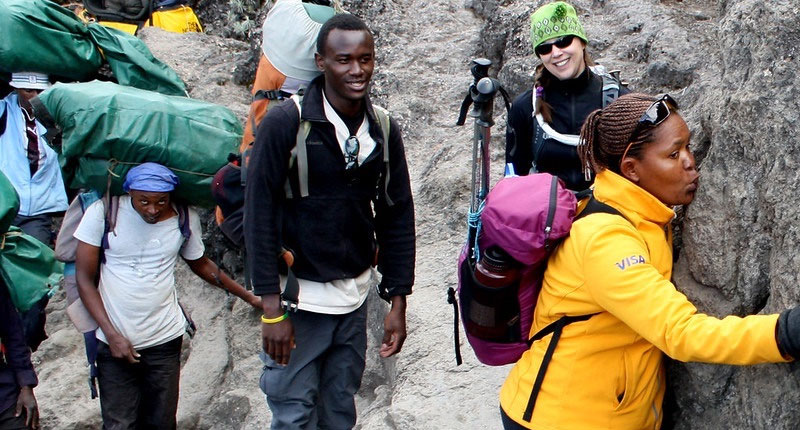
The Machame route spans nearly 64 km from the beginning to the end. The trek typically spans six to seven days, with seven days being the suggested timeframe for proper acclimatization. Hikers on the Machame Route encounter a variety of notable landmarks on their journey, such as the iconic Lava Tower, Shira Plateau, and Barranco Wall.
MACHAME ROUTE MAP

The Machame Route can experience high traffic at certain times. The scenic beauty and the opportunity for additional acclimatization make this route a favored option for trekkers on Kilimanjaro. However, this popularity can lead to crowded trails and campsites, especially in peak season. Even with the throngs of people, the Machame Route remains a top choice for numerous hikers because of its breathtaking vistas and diverse landscapes. The Lava Tower, Shira Plateau, and Barranco Wall present distinct challenges and stunning landscapes that ensure the experience is truly memorable. For individuals looking for a more serene journey, exploring the North Circuit or Lemosho routes to the summit of Mount Kilimanjaro could be a valuable option.
KILIMANJARO HIGHLIGHTS
Most famous
- Highest free mountain
- Full of biodiversity
- Conquering the peak
When To Climb
- Dry Season December-March & June-October
- Wet Season Late March-May and November
Essential details
- Passport& Valid Visa
- Eligible: 10 – 70 Yrs
- Challenge: Altitude
MOUNT KILIMANJARO
SUMMERY OF THE MACHAME ROUTE
The Machame Route usually takes about 6 to 7 days to finish, with the seven-day option being favored for improved acclimatization.
Machame Route Kilimanjaro, paired with the Lemosho Route, offers yet another breathtaking path to explore. Your journey to the summit will take you through five distinct climatic zones
The route features a maximum 6-day ascent, making it a popular choice for budget-conscious travel companies. This is one of the most popular ways to climb.
Discover breathtaking sunrise and sunset vistas along the Kilimanjaro Machame Route
The Machame Route features a variety of well-appointed campsites throughout the journey, such as Machame Camp, Shira Camp, and Barranco Camp
The Machame route is considered one of the more challenging routes to the summit of Mount Kilimanjaro. It is known for its steep terrain and high altitude, which can make it physically demanding for even experienced hikers. Therefore, we categorize it as a medium-difficult route
The Machame route provides ideal opportunities to "climb high, sleep low," aiding in better acclimatization. The seven-day option offers superior acclimatization profiles. This longer itinerary allows climbers to gradually ascend to higher altitudes, giving their bodies more time to adjust to the decrease in oxygen levels.
The route demands considerable physical endurance, as participants will need to trek for 6 to 7 hours. The summit day requires approximately 12 to 15 hours of trekking
The Machame Route offers an extra challenge with a 257-meter scramble up the Barranco Wall. Despite its intimidating appearance, the climb is not overly complex and is achievable with a positive mindset.
The Machame route, known for its popularity on Kilimanjaro, tends to experience significant foot traffic, particularly during the peak trekking seasons. Even with the bustling crowds, numerous adventurers value the bond that develops from experiencing the journey alongside fellow trekkers
The Machame Route presents a captivating mix of stunning landscapes, diverse terrains, and an impressive success rate, establishing it as a preferred option for numerous climbers.
Quick FAQs about theMachame route.
- Overall Distance: 64 km
- Duration: 6-7 days
- Success Rate: Excellent. The typical success rate for the 7-day Machame Route is 85%, whereas the 6-day route is 73%.
- Challenge Level: Moderate (viewed as more challenging compared to alternative paths)
- Crowd: Favored by larger groups especially on the peak season.
- Accommodation: Camping
MACHAME ROUTE PACKAGES


UPCOMING GROUPS
JOIN OUR UPCOMING GROUPS OF TREKKERS
Are you seeking fellow adventurers to accompany you on a Kilimanjaro trek? Your search ends here! Here is a schedule for the upcoming Kilimanjaro treks available for you to join. Select from an array of dates and routes that align with your preferences and schedule.
 Dec 31st – 09th Jan, 2025
8 Days Lemosho Route
 Jan 2nd – Jan 10th 2025
7 Days Machame Route
 Jan 6th – Jan 16th 2025
9 Days Northern Circuit Route
 Jan 15th – Jan 24th2026
8 Days Lemosho Route
Jan 31st – Feb 5th 2025
6 Days Marangu Route
Feb 5th – Feb 14th 2025
8 Days Lemosho Route
Feb 15th – Feb 25th 2025
9 Days Northern Circuit Route
Feb 21st – Mar1st2025
7 Days Machame Route
EXPECT THE BELOW WEATHER IN THESE MONTHS

JANUARY
Tanzania experiences a short dry season, with temperatures ranging from 77°F to 86°F (25°C to 30°C) on average. The weather is generally warm and sunny, making it an ideal time to visit the country's many national parks and wildlife reserves. This is also a calving period in Ndutu, where visitors can witness the incredible sight of wildebeests and zebras giving birth to their young

FEBRUARY
In February, the weather in Tanzania is usually warm and dry, with temperatures ranging from 70 to 90 degrees Fahrenheit. Many people consider this month to be the perfect time to visit the country, as the rainy season has ended and vibrant greenery abounds in the scenery. Additionally, now is an ideal time for Kilimanjaro treks, as the clear skies offer breathtaking views of the surrounding landscapes.

MARCH
During this month, temperatures are typically quite warm, with highs reaching into the 80s and 90s Fahrenheit. By the start of March, the sunny season in Tanzania is coming to a close, making way for the arrival of occasional rain showers as the country enters the wet season. It's a wonderful time to enjoy outdoor activities and soak up the sun at the beach.

APRIL
April marks the start of the long rainy season in Tanzania, as temperatures begin to cool down and the country transitions from the hot and dry season. Now is the perfect time for nature lovers to visit, as the scenery transforms into a vibrant and verdant paradise. It is also the best time for bird-watching trips

MAY
May, like April, is considered part of Tanzania's wet season. May begins with a lot of rain, but becomes drier as June approaches. In May, the Great Migration migrates from the southern Serengeti to the west. The lush green vegetation sometimes make it difficult to spot animals, but they also provide excellent photo opportunity.

JUNE
June in Tanzania is typically the start of the dry season, with clear skies and sunny days. With a temperature between 65°F and 80°F, it is the perfect weather for exploring Tanzania's stunning national parks and wildlife reserves. The last weeks of the month are when the migration of wildebeests and zebras begins in the Serengeti, making it an ideal time to witness this incredible natural phenomenon.

JULY
July is considered to be the peak of the dry season in Tanzania, making it an ideal time for tourists to visit. The weather is typically sunny and warm, with temperatures ranging from 70 to 80 degrees Fahrenheit. Despite the crowds, July is a wonderful time to witness the Great Migration in the Serengeti, where millions of wildebeest and zebra migrate in search of greener pastures.

AUGUST
August is one of the best times for tourists to visit Tanzania, as it falls during the dry season. Expect clear skies and warm temperatures, perfect for exploring the country's stunning national parks and wildlife reserves. It's also a wonderful time to visit Zanzibar.

SEPTEMBER
This season is mild and dry, making it ideal for exploring these destinations' gorgeous landscapes, wildlife, and beaches. Late September is the start of shoulder season, which means fewer crowds and reduced prices, making it a wonderful time to visit to escape peak tourist season.

OCTOBER
The weather is generally warm and sunny, with occasional showers that help to cool things down. This time of year is also ideal for wildlife viewing, as the magnificent migration is still in full swing in the Serengeti and the fewer crowds at the beaches of Zanzibar make for a more relaxing and enjoyable experience.

NOVEMBER
Tanzania begins its brief rainy season in November. Unlike prolonged wet spells, most accommodations remain open. It is also the best season to see birds in some national parks, especially northern migrants, as the environment turns green. River crossings occur as the Great Migration returns from Kenya. Nevertheless, from November to March, Zanzibar and Mafia have whale sharks to spot

DECEMBER
In December, the short rainy season comes to a close, with occasional brief showers that mostly occur at night. This pattern continues until March. Bird enthusiasts will be delighted by the influx of migratory birds this month, particularly in Tarangire National Park. At this time, the southern Serengeti's grasslands are bustling with the Great Migration, creating the perfect opportunity for a Serengeti Safari to witness the animals preparing for the calving season.
TIPS ABOUT KILIMANJARO

KILIMANJARO ALTITUDE SICKNESS

KILIMANJARO CLIMB COST

KILIMANJARO VISA

KILIMANJARO RESCUE EFFORTS

BEST TIME TO CLIMB KILIMANJARO

KILIMANJARO CLIMBING EQUIPMENT
WHAT OUR CLINTS SAY
WE PLAN UNIQUELY
YOUR DREAM TRIP IS ONE CLICK AWAY!....
Discover a wide range of destinations in Tanzania through our user-friendly booking platform. Find inspiration for your dream safari, vacation, or trip with a simple click of the link below. Say goodbye to the hassle of planning, and let us assist you in turning your travel dreams into a reality.
Call an Expert +255 717 262 800Our Partners
Our Awesome partners
Lorem ipsum dolor sit amet, consectetur adipiscing elit, sed do eiusmod tempor incididunt ut labore.