

TANZANIA DESTINATIONS
SERENGETI NATIONAL PARK THE HEART OF SAFARI ADVENTURE
Oh, the expansive golden savannahs! They are so grand, with endless horizons stretching across the land. Yellow vegetation, swaying in the breeze, creates a scene that's sure to please
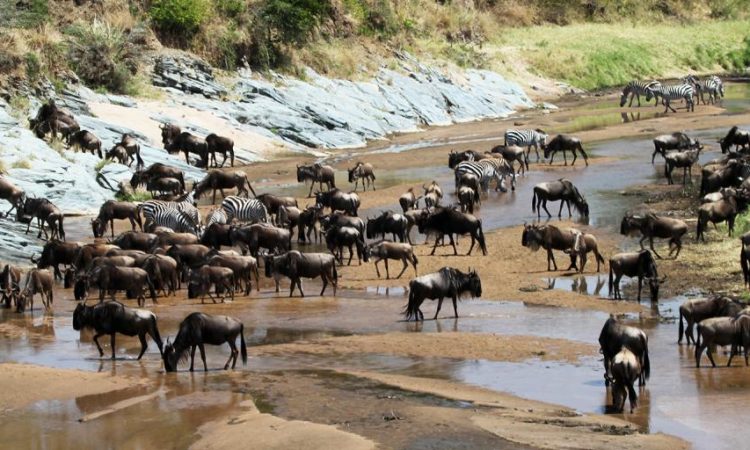
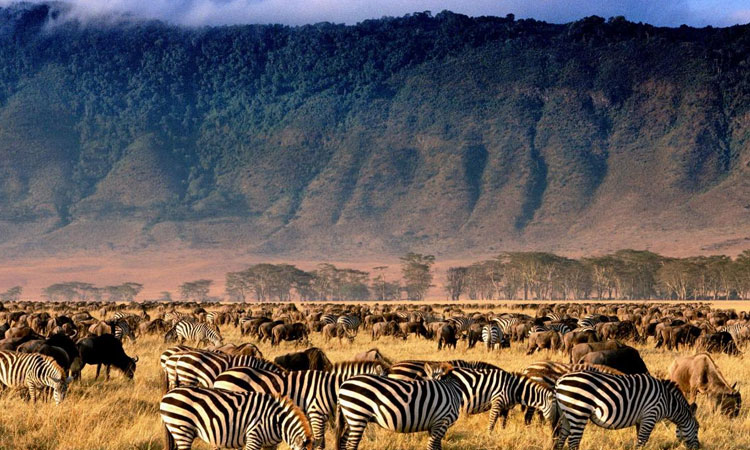
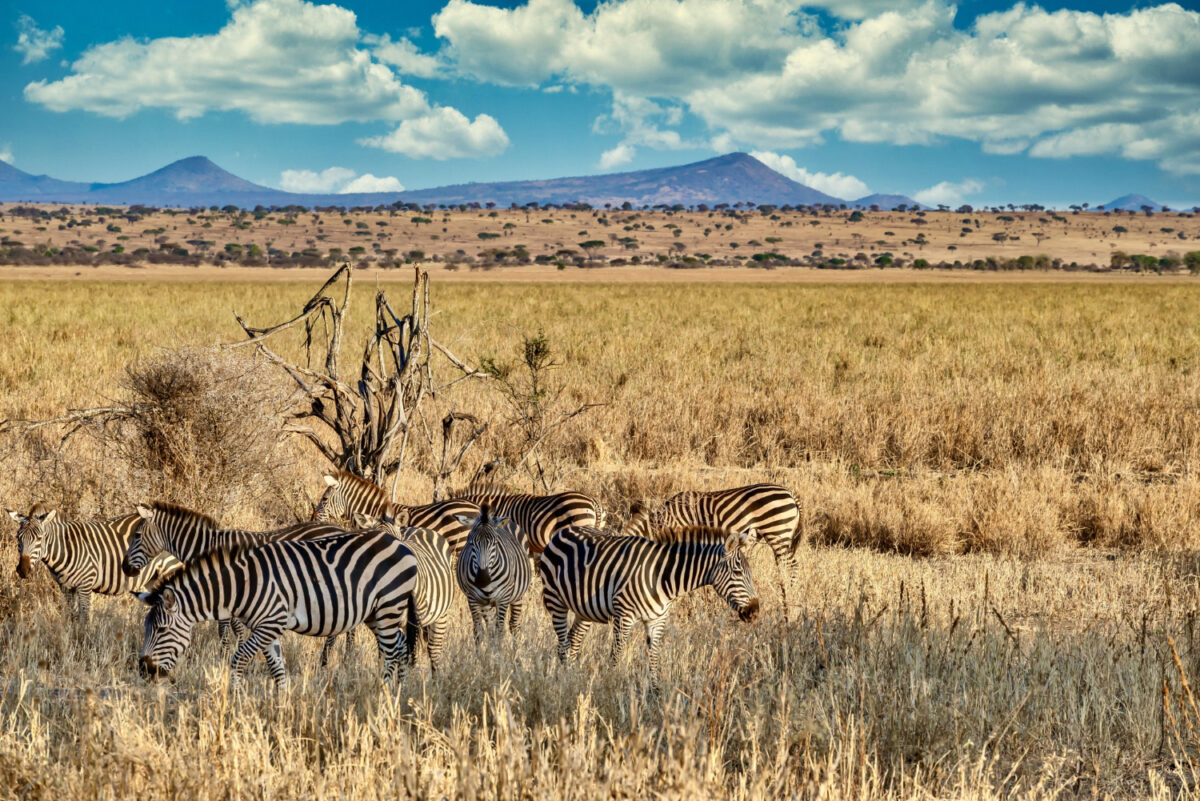
Stretching across expansive plains adorned with acacia trees, this park is renowned for the Great Migration. This incredible phenomenon witnesses millions of wildebeest, zebras, gazelles, and elands embarking on a grand migration across the vast landscape, meticulously tracking rain patterns and seeking out fresh grass. This migration pattern has remained consistent for millions of years, showcasing the timeless beauty of Serengeti's untouched and vast wilderness. The park received recognition as a World Heritage Site in 1981, underscoring its ecological and historical significance
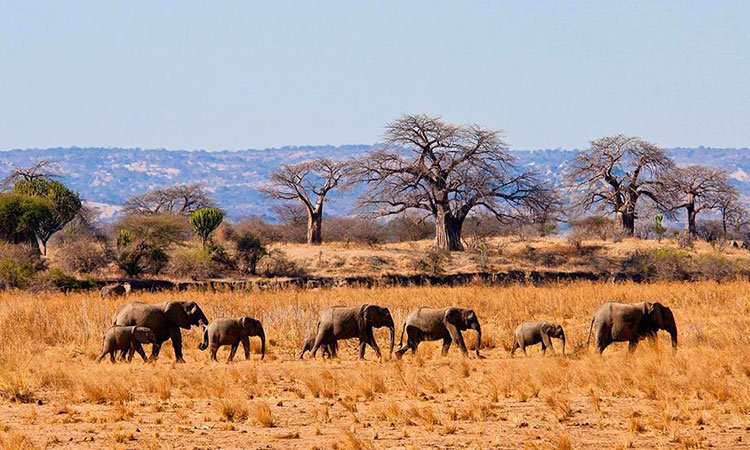
However, the Serengeti offers much more than just migration. The expansive landscape is a breathtaking display of vibrant sunsets, majestic lions, and a multitude of captivating wildlife. The park is home to a significant number of predators, with approximately 8,000 hyenas, 3,500 lions, and 260 cheetahs. Elephants gracefully wander, enriching the Serengeti's vibrant animal kingdom. The park also tells stories of human history in a captivating manner. In this untamed environment, the Maasai, an indigenous tribe, maintains their way of life and cultural heritage. A Serengeti National Park Safari provides a unique experience that combines nature, history, and timeless culture.
SERENGETI HIGHLIGHTS
Known For
- Bird Watching
- Tree-climbing Lions
- Diverse Landscapes
When to Visit
- Peak Season: June - September
- Wet Season: April & May
- Shoulder Season: November – March
How to reach
- Flight: Kilimanjaro, Arusha
- Park Access: Entrance fees
- Documents: Visa, Red Fever
SERENGETI NATIONAL PARK
FACTS ABOUT THE PARK
The best way to get to Serengeti National Park is by air. Flights are available from major airports around the world to Kilimanjaro International Airport, which is the park's closest airport. From there, we can easily arrange a connecting flight to Seronera Airstrip or any other airstrip within the park. However, we mostly drive from Moshi, Arusha, and nearby regions to Serengeti, where we connect the safari with other national parks like Ngorongoro, Tarangire, and Lake Manyara
Serengeti National Park is renowned for the Great Migration, where millions of wildebeests, zebras, and other animals migrate for water and fresh grass. This annual event is one of the most spectacular wildlife shows on Earth, drawing visitors from all over the world to witness the incredible sight. It is a UNESCO World Heritage Site, boasting rich biodiversity and breathtaking landscapes.
You can visit Serengeti all year round. While the Great Migration is a highlight, each season offers unique experiences and wildlife sightings. The dry season, from June to September, is ideal for spotting predators hunting in the open grasslands. The wet season, from November to May, brings lush green landscapes and the opportunity to witness the calving season of wildebeests and zebras.
Serengeti Safari boasts a wide variety of activities that you can indulge yourself in. From game drives and hot-air balloon safaris to guided walking tours and cultural visits to local Maasai villages, there is something for everyone to enjoy
Established in 1951, the original Serengeti Park included the Ngorongoro area. In 1959, Ngorongoro split from the Serengeti. Over the years, the park expanded to the Kenyan border and underwent various additions. It now covers an area of over 5,700 square miles, making it the third-largest park in Tanzania. UNESCO declared it a World Heritage Site in 1981
Generally, it's safe to visit Serengeti National Park, but it's always important to take precautions when exploring the wilderness. Be sure to stay with a guide in a designated area at all times. Remember to respect the wildlife and their natural habitat by keeping a safe distance and refraining from feeding or approaching any animals.
There are many options for accommodations in Serengeti National Park. Visitors can choose from luxury lodges, tented camps, and budget-friendly campsites. No matter where you stay, the breathtaking views and proximity to the park's abundant wildlife make for an unforgettable stay in the Serengeti.
The costs of a Serengeti National Park Safari can vary based on factors such as the duration of the safari, the type of accommodations selected, and the specific time of year. Prices can vary from $350 per night per person for a more affordable safari to several thousand dollars for a high-end, all-inclusive experience.


ACCOMMODATION IN SERENGETI
HOTELS, LODGES, CAMPS SELECTION INSERENGETI
DISCOVER OUR SELECTION OF HOTELS, LODGES, CAMPS IN SERENGETI NATIONAL PARK
Experience the allure of our mesmerizing accommodation options, and let your wanderlust soar.
Our best picks

TRAVEL SEASONS
MONTHLY EXPECTATIONS IN TANZANIA

JANUARY
Tanzania experiences a short dry season, with temperatures ranging from 77°F to 86°F (25°C to 30°C) on average. The weather is generally warm and sunny, making it an ideal time to visit the country's many national parks and wildlife reserves. This is also a calving period in Ndutu, where visitors can witness the incredible sight of wildebeests and zebras giving birth to their young

FEBRUARY
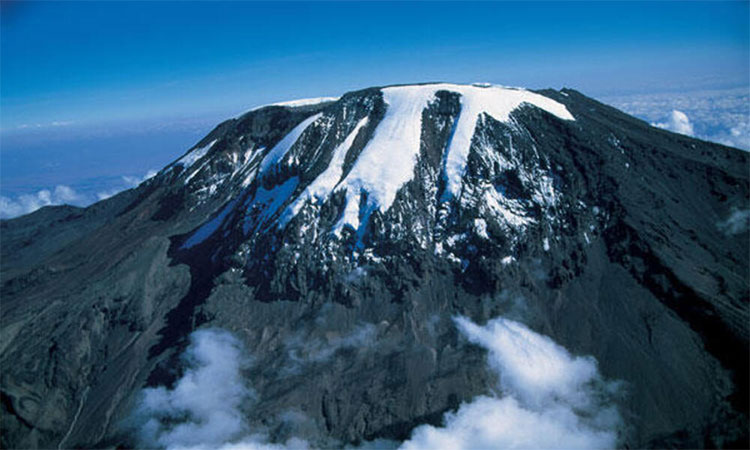
In February, the weather in Tanzania is usually warm and dry, with temperatures ranging from 70 to 90 degrees Fahrenheit. Many people consider this month to be the perfect time to visit the country, as the rainy season has ended and vibrant greenery abounds in the scenery. Additionally, now is an ideal time for Kilimanjaro treks, as the clear skies offer breathtaking views of the surrounding landscapes.

MARCH
During this month, temperatures are typically quite warm, with highs reaching into the 80s and 90s Fahrenheit. By the start of March, the sunny season in Tanzania is coming to a close, making way for the arrival of occasional rain showers as the country enters the wet season. It's a wonderful time to enjoy outdoor activities and soak up the sun at the beach.

APRIL
April marks the start of the long rainy season in Tanzania, as temperatures begin to cool down and the country transitions from the hot and dry season. Now is the perfect time for nature lovers to visit, as the scenery transforms into a vibrant and verdant paradise. It is also the best time for bird-watching trips

MAY
May, like April, is considered part of Tanzania's wet season. May begins with a lot of rain, but becomes drier as June approaches. In May, the Great Migration migrates from the southern Serengeti to the west. The lush green vegetation sometimes make it difficult to spot animals, but they also provide excellent photo opportunity.

JUNE
June in Tanzania is typically the start of the dry season, with clear skies and sunny days. With a temperature between 65°F and 80°F, it is the perfect weather for exploring Tanzania's stunning national parks and wildlife reserves. The last weeks of the month are when the migration of wildebeests and zebras begins in the Serengeti, making it an ideal time to witness this incredible natural phenomenon.

JULY
July is considered to be the peak of the dry season in Tanzania, making it an ideal time for tourists to visit. The weather is typically sunny and warm, with temperatures ranging from 70 to 80 degrees Fahrenheit. Despite the crowds, July is a wonderful time to witness the Great Migration in the Serengeti, where millions of wildebeest and zebra migrate in search of greener pastures.

AUGUST
August is one of the best times for tourists to visit Tanzania, as it falls during the dry season. Expect clear skies and warm temperatures, perfect for exploring the country's stunning national parks and wildlife reserves. It's also a wonderful time to visit Zanzibar.

SEPTEMBER
This season is mild and dry, making it ideal for exploring these destinations' gorgeous landscapes, wildlife, and beaches. Late September is the start of shoulder season, which means fewer crowds and reduced prices, making it a wonderful time to visit to escape peak tourist season.

OCTOBER
The weather is generally warm and sunny, with occasional showers that help to cool things down. This time of year is also ideal for wildlife viewing, as the magnificent migration is still in full swing in the Serengeti and the fewer crowds at the beaches of Zanzibar make for a more relaxing and enjoyable experience.

NOVEMBER
Tanzania begins its brief rainy season in November. Unlike prolonged wet spells, most accommodations remain open. It is also the best season to see birds in some national parks, especially northern migrants, as the environment turns green. River crossings occur as the Great Migration returns from Kenya. Nevertheless, from November to March, Zanzibar and Mafia have whale sharks to spot

DECEMBER
In December, the short rainy season comes to a close, with occasional brief showers that mostly occur at night. This pattern continues until March. Bird enthusiasts will be delighted by the influx of migratory birds this month, particularly in Tarangire National Park. At this time, the southern Serengeti's grasslands are bustling with the Great Migration, creating the perfect opportunity for a Serengeti Safari to witness the animals preparing for the calving season.
TAILOR-MADE PACKAGES
AWESOME SERENGETI TRAVEL ADVENTURE SELECTION
Discover our carefully curated selection of Serengeti National Park’s Safari Adventure. Our Best Signature Safaris:


WHAT OUR CLINTS SAY
WE PLAN UNIQUELY
YOUR DREAM TRIP IS ONE CLICK AWAY!....
Discover a wide range of destinations in Tanzania through our user-friendly booking platform. Find inspiration for your dream safari, vacation, or trip with a simple click of the link below. Say goodbye to the hassle of planning, and let us assist you in turning your travel dreams into a reality.
Call an Expert +255 717 262 800Our Partners
Our Awesome partners
Lorem ipsum dolor sit amet, consectetur adipiscing elit, sed do eiusmod tempor incididunt ut labore.