

TANZANIA DESTINATIONS
NYERERE NATIONAL PARK HOME TO WILD DOGS
TheSelous Game Reserve In Tanzania Gave Rise To The Expansive Nyerere National ParkIt Is Home To A Diverse Range Of Wildlife, Including Elephants, Lions, Giraffes, And Zebras.
Nyerere National Park, which is currently Africa's largest standing-alone National Park. The park is named after the nation's founder (Tanzania's first president), the late Mwalimu Julius Kambarage Nyerere.
Founded in 2019, the park spans over 30,893 square kilometers and is one of the largest in the world. Nyerere National Park is home to a diverse array of animals with strong predator-prey interactions and generally intact ecological and biological
processes. The huge Rufiji River drains into the Indian Ocean with its well-known population of hippos and rhinoceroses. The river is a popular tourist attraction, recognized as a photographic area.
Nyerere National Park (also called Selous Game Reserve) was named a UNESCO World Heritage Site in 1982 because it has beautiful scenery and a lot of wildlife. The reserve is home to crocodiles, lions, leopards, hippos, elephants, black rhinoceroses, and buffalo, among other animals. It is a vital habitat for the endangered wild dog. This large park offers a vast array of safari activities, such as boat safaris, classic game drives, walking safaris, and the famed fly camping expeditions.
It serves as the closest park to both Dar es Salaam and Zanzibar. Thus, visitors can easily access it by both land and air. With a short drive from the city center or a quick flight from Zanzibar, visitors can find themselves in the park for a day safari or a few-night trip.
NYERERE NATIONAL PARK
FACTS ABOUT THE PARK
The distance to Nyerere National Park is 230 kilometers from Dar es Salaam and a 45-minute flight from Zanzibar Airport. It is located in the Rufiji River delta in the southeastern region of Tanzania. Consequently, it is an optimal location for individuals who wish to embark on a day safari to observe the diverse wildlife
You can reach Nyerere National Park either by road from nearby towns and Dar es Salaam city, or by a short flight from Zanzibar. Fly-in is the best option; however, we can arrange a road trip for private or shared group tours.
Its meandering course through the park creates a unique ecosystem that supports a wide variety of plant and animal species. This river has created some lakes and wetlands within the park, providing essential habitats for countless species of birds, fish, and other wildlife. Additionally, the river offers visitors the opportunity to experience breathtaking boat safaris, allowing them to observe the park's diverse wildlife from a truly unique perspective.
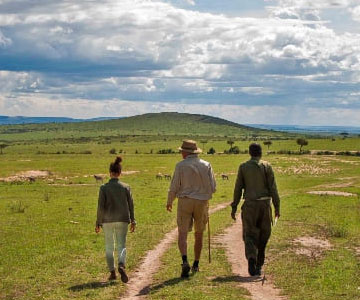
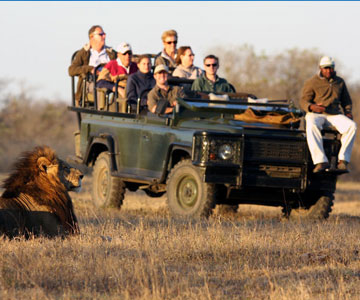
Popular activities in Nyerere National Park are guided safari drives, boat safaris along the Rufiji River, nature walking safaris, and hot air balloon safaris. These activities offer visitors the chance to see a wide variety of wildlife, including elephants, lions, hippos, crocodiles, and a variety of bird species.
The dry season, which typically occurs between June and October, is the optimal time to visit Nyerere National Park. During this period, the park is at its most accessible as wildlife congregates around water sources, providing exceptional opportunities for game viewing. Nevertheless, the wet season, which spans from November to May, can also be a rewarding experience. The park is characterized by its lush, verdant landscape, and bird viewing is particularly advantageous during this period.
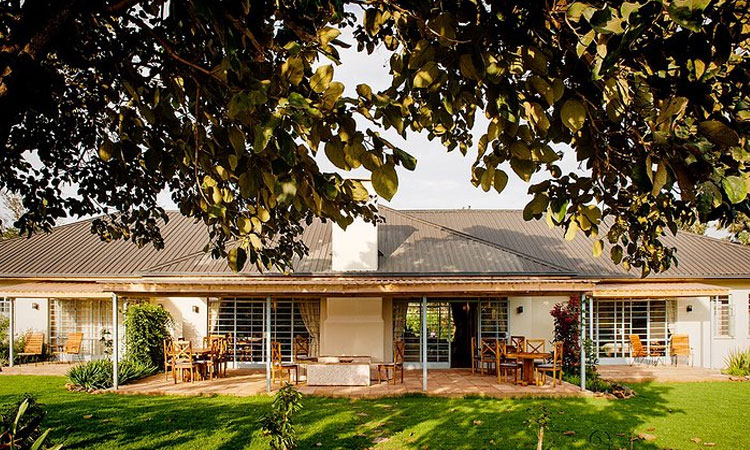
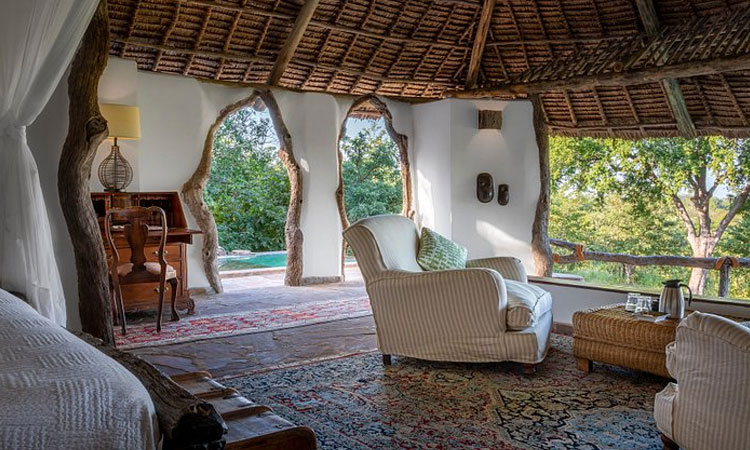
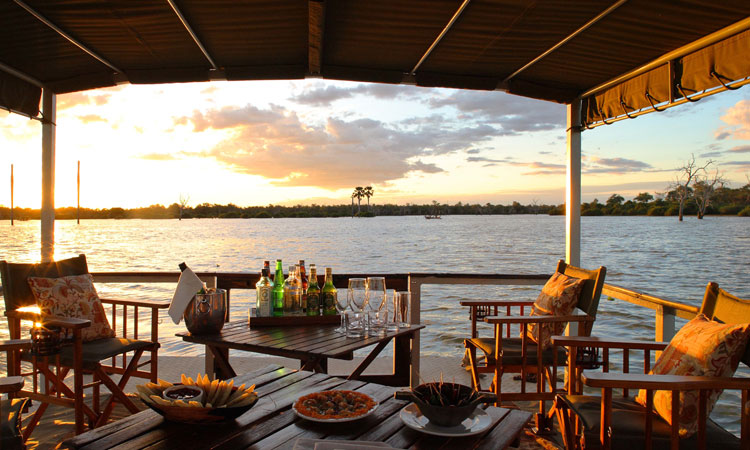
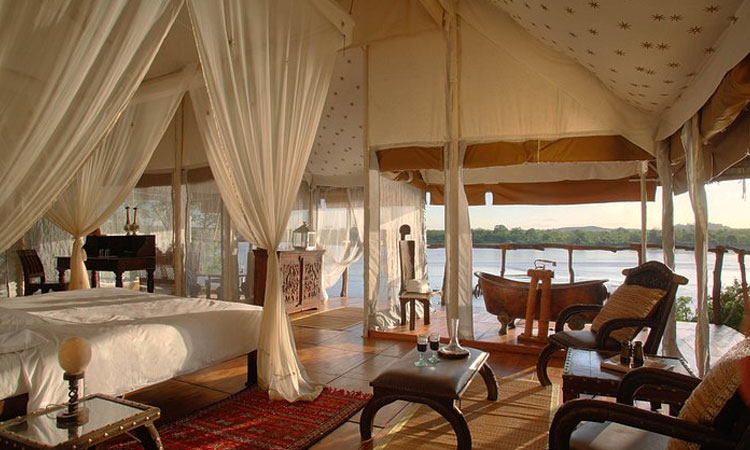
Nyerere National Park provides a diverse selection of lodging options, including luxury, mid-luxury, and budget-friendly options, to accommodate the preferences and requirements of all travelers. The most famous accommodations are Sand Rivers Selous, Siwandu Camp, Beho Beho Camp, Kiba Point Selous, Roho ya Selous, The Retreat Selous, Serena Mivumo River Camp, Selous Serena Camp, Selous Impala Camp, Selus Kulinda Camp, Sable Mountain Lodge, and Rufiji River Camp. Each of these accommodations offers a distinctive experience, whether it is a budget-friendly lodge situated in the center of the park or a luxurious tented camp that overlooks the river. No matter which accommodation you choose, you can be sure to have a memorable and unique experience in the diverse and beautiful Nyerere National Park


ACCOMMODATION IN NYERERE
LODGES AND BANDAS SELECTION IN NYERERE
DISCOVER OUR SELECTION OF LODGES, CAMPS IN NYERERE NATIONAL PARK
Experience the allure of our mesmerizing accommodation options, and let your wanderlust soar
Our best picks




TRAVEL SEASONS
EXPECT THE BELOW WEATHER IN THESE MONTHS

JANUARY
Tanzania experiences a short dry season, with temperatures ranging from 77°F to 86°F (25°C to 30°C) on average. The weather is generally warm and sunny, making it an ideal time to visit the country's many national parks and wildlife reserves. This is also a calving period in Ndutu, where visitors can witness the incredible sight of wildebeests and zebras giving birth to their young

FEBRUARY
In February, the weather in Tanzania is usually warm and dry, with temperatures ranging from 70 to 90 degrees Fahrenheit. Many people consider this month to be the perfect time to visit the country, as the rainy season has ended and vibrant greenery abounds in the scenery. Additionally, now is an ideal time for Kilimanjaro treks, as the clear skies offer breathtaking views of the surrounding landscapes.

MARCH
During this month, temperatures are typically quite warm, with highs reaching into the 80s and 90s Fahrenheit. By the start of March, the sunny season in Tanzania is coming to a close, making way for the arrival of occasional rain showers as the country enters the wet season. It's a wonderful time to enjoy outdoor activities and soak up the sun at the beach.

APRIL
April marks the start of the long rainy season in Tanzania, as temperatures begin to cool down and the country transitions from the hot and dry season. Now is the perfect time for nature lovers to visit, as the scenery transforms into a vibrant and verdant paradise. It is also the best time for bird-watching trips

MAY
May, like April, is considered part of Tanzania's wet season. May begins with a lot of rain, but becomes drier as June approaches. In May, the Great Migration migrates from the southern Serengeti to the west. The lush green vegetation sometimes make it difficult to spot animals, but they also provide excellent photo opportunity.

JUNE
June in Tanzania is typically the start of the dry season, with clear skies and sunny days. With a temperature between 65°F and 80°F, it is the perfect weather for exploring Tanzania's stunning national parks and wildlife reserves. The last weeks of the month are when the migration of wildebeests and zebras begins in the Serengeti, making it an ideal time to witness this incredible natural phenomenon.

JULY
July is considered to be the peak of the dry season in Tanzania, making it an ideal time for tourists to visit. The weather is typically sunny and warm, with temperatures ranging from 70 to 80 degrees Fahrenheit. Despite the crowds, July is a wonderful time to witness the Great Migration in the Serengeti, where millions of wildebeest and zebra migrate in search of greener pastures.

AUGUST
August is one of the best times for tourists to visit Tanzania, as it falls during the dry season. Expect clear skies and warm temperatures, perfect for exploring the country's stunning national parks and wildlife reserves. It's also a wonderful time to visit Zanzibar.

SEPTEMBER
This season is mild and dry, making it ideal for exploring these destinations' gorgeous landscapes, wildlife, and beaches. Late September is the start of shoulder season, which means fewer crowds and reduced prices, making it a wonderful time to visit to escape peak tourist season.

OCTOBER
The weather is generally warm and sunny, with occasional showers that help to cool things down. This time of year is also ideal for wildlife viewing, as the magnificent migration is still in full swing in the Serengeti and the fewer crowds at the beaches of Zanzibar make for a more relaxing and enjoyable experience.

NOVEMBER
Tanzania begins its brief rainy season in November. Unlike prolonged wet spells, most accommodations remain open. It is also the best season to see birds in some national parks, especially northern migrants, as the environment turns green. River crossings occur as the Great Migration returns from Kenya. Nevertheless, from November to March, Zanzibar and Mafia have whale sharks to spot

DECEMBER
In December, the short rainy season comes to a close, with occasional brief showers that mostly occur at night. This pattern continues until March. Bird enthusiasts will be delighted by the influx of migratory birds this month, particularly in Tarangire National Park. At this time, the southern Serengeti's grasslands are bustling with the Great Migration, creating the perfect opportunity for a Serengeti Safari to witness the animals preparing for the calving season.
TAILOR-MADE PACKAGES
AWESOME NYERERE TRAVEL ADVENTURE SELECTION
Discover our carefully curated selection of Nyerere National Park’s Safari Adventure. Our Best Signature Safaris:

WHAT OUR CLINTS SAY
WE PLAN UNIQUELY
YOUR DREAM TRIP IS ONE CLICK AWAY!....
Discover a wide range of destinations in Tanzania through our user-friendly booking platform. Find inspiration for your dream safari, vacation, or trip with a simple click of the link below. Say goodbye to the hassle of planning, and let us assist you in turning your travel dreams into a reality.
Call an Expert +255 717 262 800Our Partners
Our Awesome partners
Lorem ipsum dolor sit amet, consectetur adipiscing elit, sed do eiusmod tempor incididunt ut labore.