

TANZANIA DESTINATIONS
KILIMANJARO NATIONAL PARK: THE HOME OF MT. KILIMANJARO
Mount Kilimanjaro National Park With Its Majestic Mountain And Three Volcanic Cones (Mawenzi, Kibo, And Shira), Showcases Tanzania's Unparalleled Majesty.
Mount Kilimanjaro is a part of Kilimanjaro National Park. Featuring three volcanic cones, this iconic peak is the highest mountain in Africa, standing at an impressive 5,895 metres, or 19,341 feet, tall. The park surrounding the mountain is home to a diverse range of flora and fauna, including elephants, leopards, and buffalo. Kilimanjaro National Park covers an area of approximately 1,688 square kilometres and is a popular destination for hikers and nature enthusiasts from around the world.
Mountain Kilimanjaro, towering as a dormant volcanic masterpiece, holds a special place in Tanzania's heart and presents an enticing quest for thrill-seekers worldwide. Climbing Mount Kilimanjaro is a demanding, exhilarating, and supremely gratifying journey. When they reach the esteemed Uhuru Peak, climbers stand atop the highest freestanding mountain and traverse a range of ecosystems, from verdant forests home to elephants and buffaloes to the frosty heights that crown its peak.
Kibo, Mawenzi, and Shira are awe-inspiring in their grandeur. Standing tall against the backdrop of the African sky, these majestic peaks are a sight to behold. Each one holds its own unique charm and allure, drawing adventurers and nature enthusiasts from around the world. As the highest mountain in Africa, Mount Kilimanjaro offers a challenging yet rewarding experience for those brave enough to attempt its summit
KILIMANJARO NATIONAL PARK HIGHLIGHTS
Known For
- Highest Peak
- Nature’s Canvas
- Climber’s Haven
When to Visit
- Peak Season June - September
- Wet Season: November, April & May
- Shoulder Season: December – March
How to reach
- Flight: Kilimanjaro,
- Park Access: Entrance fees
- Documents: Visa, Red Fever
KILIMANJARO NATIONAL PARK
FACTS ABOUT KILIMANJARO NATIONAL PARK
For optimal experiences, consider planning your visit to Kilimanjaro National Park during the dry seasons: January to mid-March and June to October. During these periods, the weather becomes more predictable, the skies clearer, and the chances of rain decrease significantly. This enhances visibility and adds to the overall enjoyment of your trekking experience.
The Kilimanjaro National Park has diverse wildlife, including elephants, leopards, buffaloes, blue monkeys, and giraffes. The lower forested zones on Kilimanjaro offer the best wildlife viewing opportunities. You can often observe the peaceful grazing of elephants and buffaloes, and spot the elusive leopards prowling through the trees. The blue monkeys and giraffes add a touch of elegance to the landscape, their graceful movements captivating visitors.
Kilimanjaro National Park consists of a diverse range of ecosystems, including montane forests, alpine meadows, moorlands, and the iconic snow-capped peak of Mount Kilimanjaro itself. These different habitats support a wide variety of plant and animal species, many of which are endemic to the region.
One popular activity is reaching the summit of Mount Kilimanjaro, the highest peak in Africa. Additional activities in the park involve observing wildlife, bird watching, and exploring the nearby villages to learn about the local culture
Typically, it takes around six to nine days to finish the climb, with many climbers choosing a six- to seven-day journey. The longer routes, like the Lemosho and Northern Circuit routes, provide ample time for acclimatization and boast higher success rates in reaching the summit.
There are six routes to choose from when climbing Mount Kilimanjaro, each offering a unique experience and varying levels of difficulty. The most popular routes include the Marangu Route, known as the "Coca-Cola" route for its relative ease and availability of amenities, and the Machame Route, which is known for its stunning scenery and slightly more challenging terrain. Other options include the Lemosho Route, the Rongai Route, the Shira Route, and the Northern Circuit.


ACCOMMODATION IN KILIMANJARO NATIONAL PARK
HOTELS AND LODGES IN KILIMANJARO NATIONAL PARK
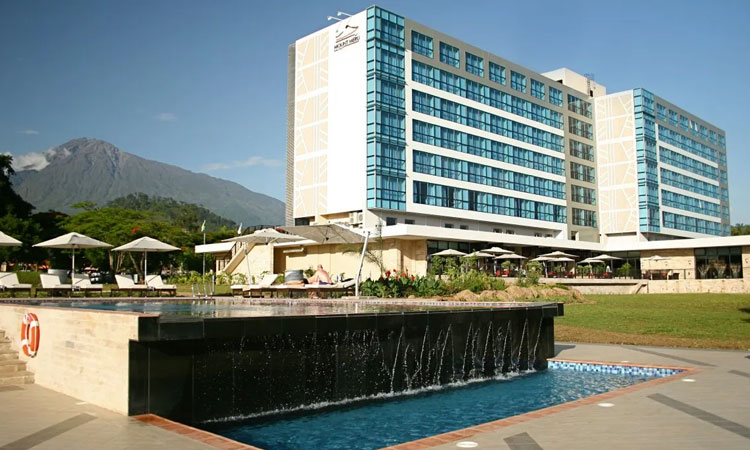
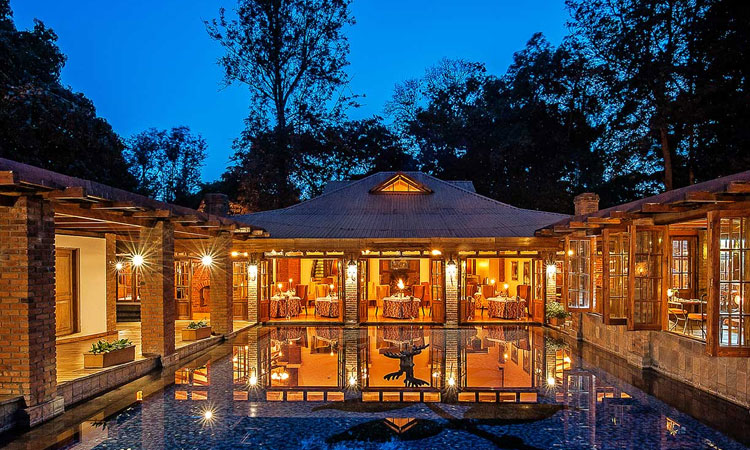
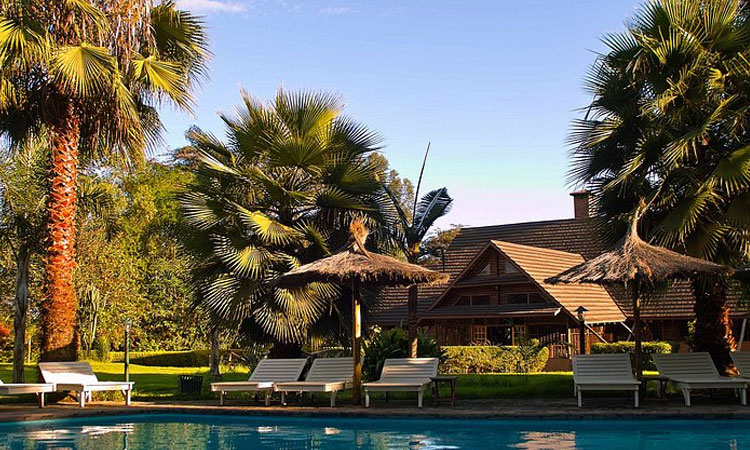
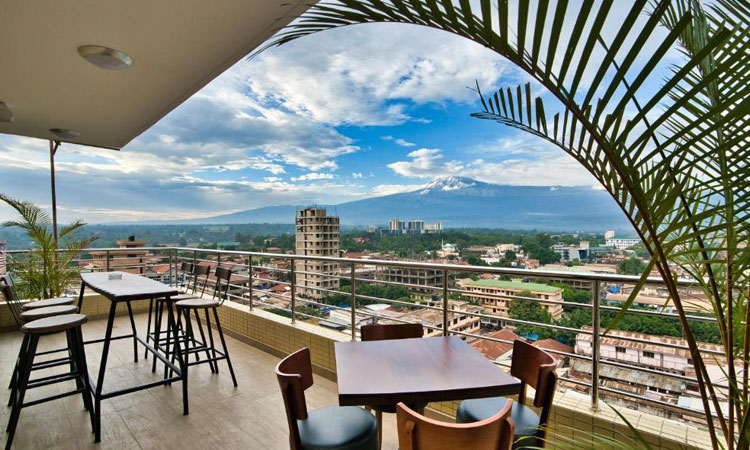
DISCOVER OUR SELECTION OF HOTELS AND LODGES IN KILIMANJARO NATIONAL PARK
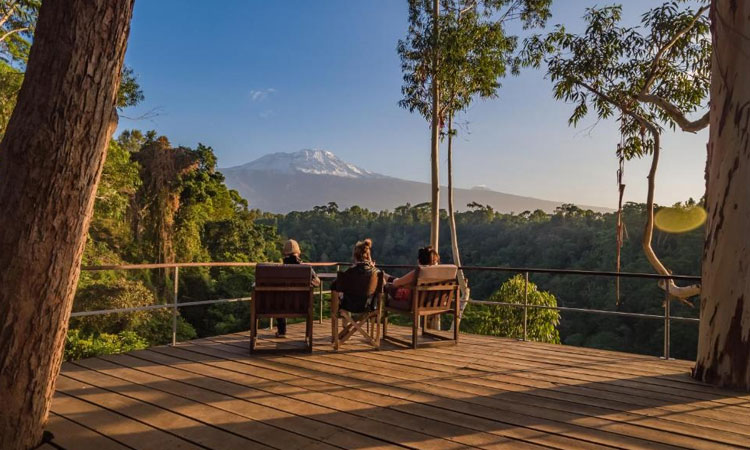
Experience the allure of our mesmerizing accommodation options, and let your wanderlust soar
Our best picks




MONTHLY EXPECTATIONS IN TANZANIA

JANUARY
Tanzania experiences a short dry season, with temperatures ranging from 77°F to 86°F (25°C to 30°C) on average. The weather is generally warm and sunny, making it an ideal time to visit the country's many national parks and wildlife reserves. This is also a calving period in Ndutu, where visitors can witness the incredible sight of wildebeests and zebras giving birth to their young

FEBRUARY
In February, the weather in Tanzania is usually warm and dry, with temperatures ranging from 70 to 90 degrees Fahrenheit. Many people consider this month to be the perfect time to visit the country, as the rainy season has ended and vibrant greenery abounds in the scenery. Additionally, now is an ideal time for Kilimanjaro treks, as the clear skies offer breathtaking views of the surrounding landscapes.

MARCH
During this month, temperatures are typically quite warm, with highs reaching into the 80s and 90s Fahrenheit. By the start of March, the sunny season in Tanzania is coming to a close, making way for the arrival of occasional rain showers as the country enters the wet season. It's a wonderful time to enjoy outdoor activities and soak up the sun at the beach.

APRIL
April marks the start of the long rainy season in Tanzania, as temperatures begin to cool down and the country transitions from the hot and dry season. Now is the perfect time for nature lovers to visit, as the scenery transforms into a vibrant and verdant paradise. It is also the best time for bird-watching trips

MAY
May, like April, is considered part of Tanzania's wet season. May begins with a lot of rain, but becomes drier as June approaches. In May, the Great Migration migrates from the southern Serengeti to the west. The lush green vegetation sometimes make it difficult to spot animals, but they also provide excellent photo opportunity.

JUNE
June in Tanzania is typically the start of the dry season, with clear skies and sunny days. With a temperature between 65°F and 80°F, it is the perfect weather for exploring Tanzania's stunning national parks and wildlife reserves. The last weeks of the month are when the migration of wildebeests and zebras begins in the Serengeti, making it an ideal time to witness this incredible natural phenomenon.

JULY
July is considered to be the peak of the dry season in Tanzania, making it an ideal time for tourists to visit. The weather is typically sunny and warm, with temperatures ranging from 70 to 80 degrees Fahrenheit. Despite the crowds, July is a wonderful time to witness the Great Migration in the Serengeti, where millions of wildebeest and zebra migrate in search of greener pastures.

AUGUST
August is one of the best times for tourists to visit Tanzania, as it falls during the dry season. Expect clear skies and warm temperatures, perfect for exploring the country's stunning national parks and wildlife reserves. It's also a wonderful time to visit Zanzibar.

SEPTEMBER
This season is mild and dry, making it ideal for exploring these destinations' gorgeous landscapes, wildlife, and beaches. Late September is the start of shoulder season, which means fewer crowds and reduced prices, making it a wonderful time to visit to escape peak tourist season.

OCTOBER
The weather is generally warm and sunny, with occasional showers that help to cool things down. This time of year is also ideal for wildlife viewing, as the magnificent migration is still in full swing in the Serengeti and the fewer crowds at the beaches of Zanzibar make for a more relaxing and enjoyable experience.

NOVEMBER
Tanzania begins its brief rainy season in November. Unlike prolonged wet spells, most accommodations remain open. It is also the best season to see birds in some national parks, especially northern migrants, as the environment turns green. River crossings occur as the Great Migration returns from Kenya. Nevertheless, from November to March, Zanzibar and Mafia have whale sharks to spot

DECEMBER
In December, the short rainy season comes to a close, with occasional brief showers that mostly occur at night. This pattern continues until March. Bird enthusiasts will be delighted by the influx of migratory birds this month, particularly in Tarangire National Park. At this time, the southern Serengeti's grasslands are bustling with the Great Migration, creating the perfect opportunity for a Serengeti Safari to witness the animals preparing for the calving season.
TAILOR-MADE PACKAGES
AWESOME KILIMANJARO NATIONAL PARK TRAVEL ADVENTURE SELECTION
Discover our carefully curated selection of Kilimanjaro National Park’s Safari Adventure. Our Best Signature Safaris:


TIPS ABOUT KILIMANJARO NATIONAL PARK

How To Get To Kilimanjaro NP

Attractions In Kilimanjaro

Faq’s About Kilimanjaro
WHAT OUR CLINTS SAY
WE PLAN UNIQUELY
YOUR DREAM TRIP IS ONE CLICK AWAY!....
Discover a wide range of destinations in Tanzania through our user-friendly booking platform. Find inspiration for your dream safari, vacation, or trip with a simple click of the link below. Say goodbye to the hassle of planning, and let us assist you in turning your travel dreams into a reality.
Call an Expert +255 717 262 800Our Partners
Our Awesome partners
Lorem ipsum dolor sit amet, consectetur adipiscing elit, sed do eiusmod tempor incididunt ut labore.