
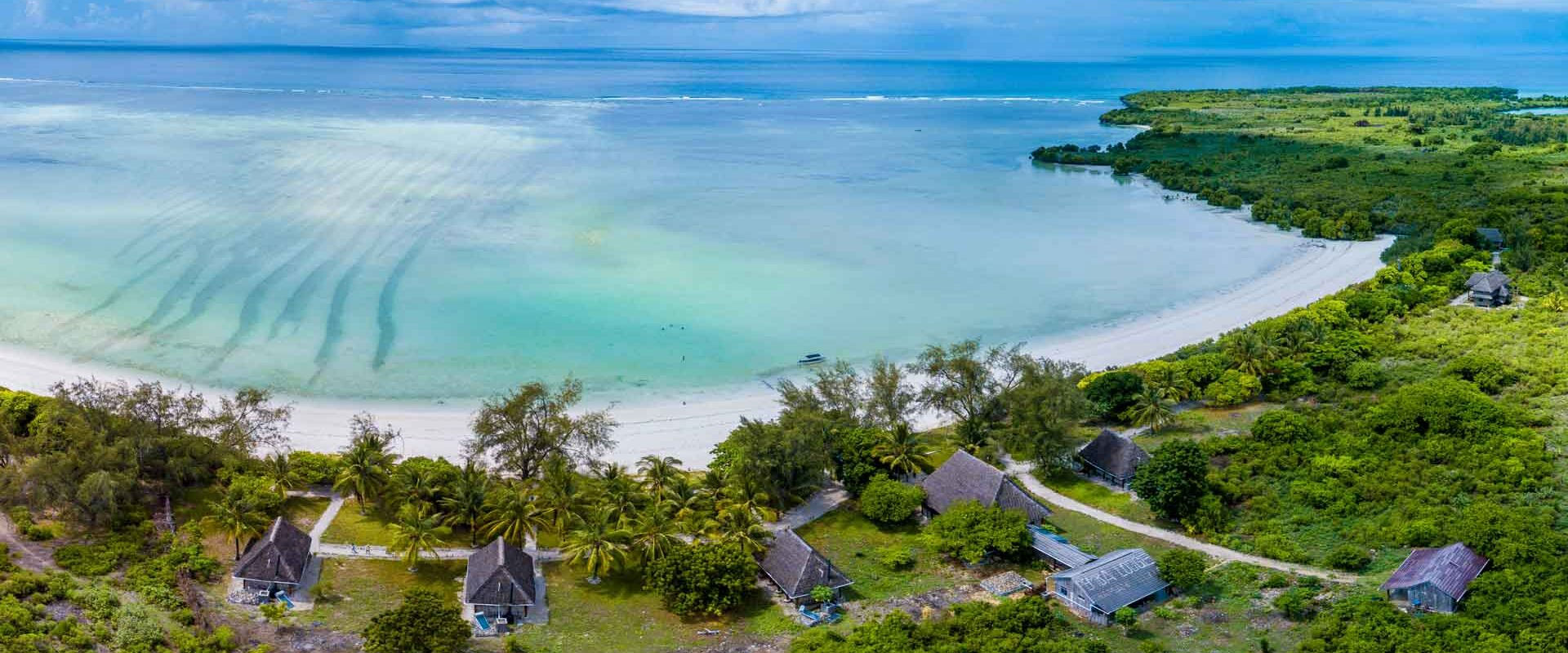
PEMBA ISLAND ZANZIBAR: TRANQUIL TO UNSPOILED BEACHES
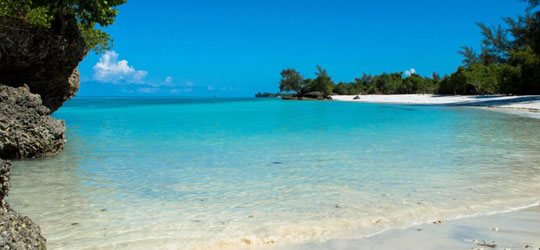
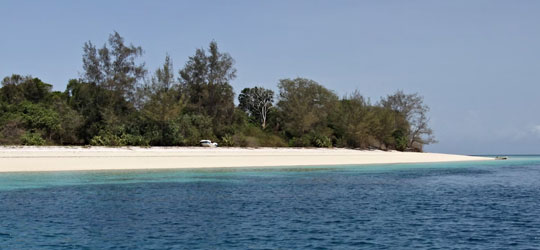
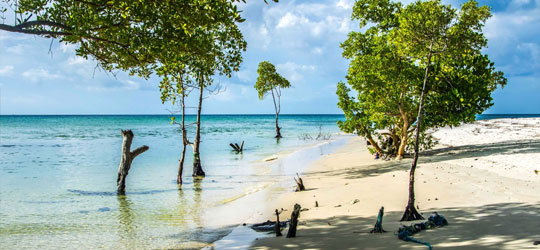
Pemba Island is the second-largest of Zanzibar's 57 islets. Pemba offers a serene and untouched beauty that is truly captivating. Pemba Island is a stunning destination that offers crystal-clear waters, white sandy beaches, and lush tropical forests, making it a true paradise for nature lovers and adventurers. Discover a plethora of exciting outdoor activities on the island, including snorkeling, diving, and hiking through its breathtaking landscapes.
Located north of its sister island, Unguja, Pemba Island offers a serene getaway from the busy world of mass tourism, allowing visitors to fully immerse themselves in a peaceful retreat. Exploring traditional villages and markets provides a fascinating insight into the rich local culture and age-old traditions of the Swahili people. If you need some serious relaxation, look no further than the luxurious resorts and spas that provide rejuvenating treatments and stunning views of the Indian Ocean.
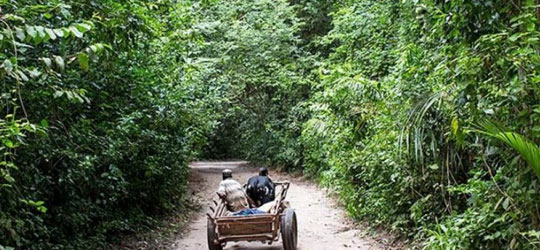
During your stay in Pemba, make sure to explore the renowned Ngezi Forest Reserve, which is home to a variety of exceptional plant and animal species exclusive to this island. The local community, well known for their warm and welcoming nature, is always eager to share their way of life with visitors, creating an immersive cultural experience. If you're seeking a tranquil and genuine tropical escape, Pemba Island is the ideal destination. Whether you enjoy relaxing on pristine sandy beaches or discovering the mesmerizing crystal-clear waters, this island has it all.
DESTINATIONS
PLACES TO VISIT AND THINGS TO DO IN PEMBA ISLAND
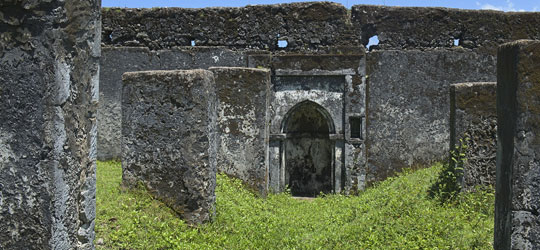
The stunning beaches, pristine waters, and verdant tropical forests provide opportunities for outdoor sports and leisure. Visit Pujini Village's ancient remains, RasMkumbuu Ruins, the Manta Ray Conservation Center, and the Ngezi Forest Reserve on Pemba Island. Adventure sports, including diving, snorkeling, and kayaking, are popular.

MOST SELLING ZANZIBAR GATEAWAYS
Discover our carefully curated selection and get inspired from our Best Zanzibar Sinature gateways:


WHERE TO STAY AND PLACES TO DINE
EXQUISITE, DISTINCTIVE, TOP-NOTCH ACCOMMODATIONS AND RESTAURANTS IN NORTHERN ZANZIBAR.
There is a wide range of accommodation options in Pemba, from luxurious beach resorts to affordable resthouses and charming bed and breakfasts. Here are some popular accommodations in the area: the Pemba Paradise Beach Resort, the Iyana Beach Resort, the Manta Resort & Underwater Room, the Emerald Bay Resort, the Pemba Eco Lodge, the Fundu Lagoon, and the Pemba Misali Sunset Beach.
Some of the well-known restaurants on Pemba Island are Pemba Sunset Restaurant, Gecko Nature Restaurant, BinAnad Restaurant, and Karibu Kitchen. Each of these restaurants offers a unique dining experience, showcasing the diverse flavors of the island
Our best picks of Hotels and Restaurants in Pemba Island

Aiyana boasts 30 secluded villas, each featuring picturesque panoramas of the Indian Ocean and individually crafted to provide a sense of comfort and escapism.

The Rooms · The Underwater Room · The Seafront Family Villa · The Seafront Villas · The Superior Garden Rooms · The Standard Garden Rooms · The Underwater Room .
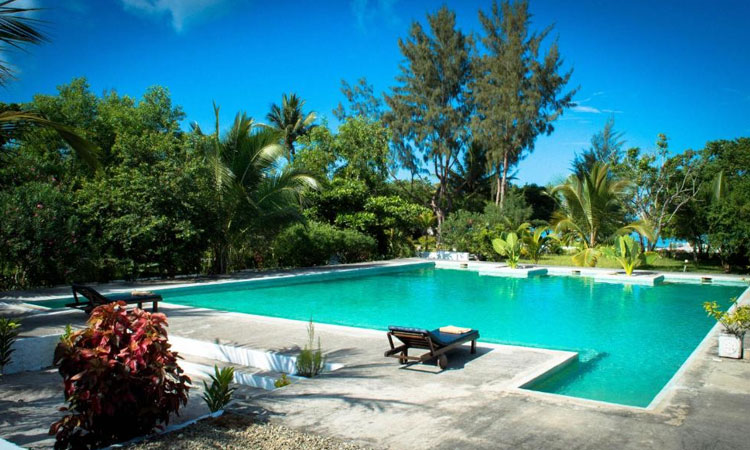
Pemba Paradise resort is located at the northen tip of the island and is about a two hour drive from airport, passing through the spectacular Ngazi forest.

Emerald Bay Resort is located in Chokocho village in the south of Pemba. Surrounded by tropical vegetation, this Arabic-styled resort faces a characteristic .
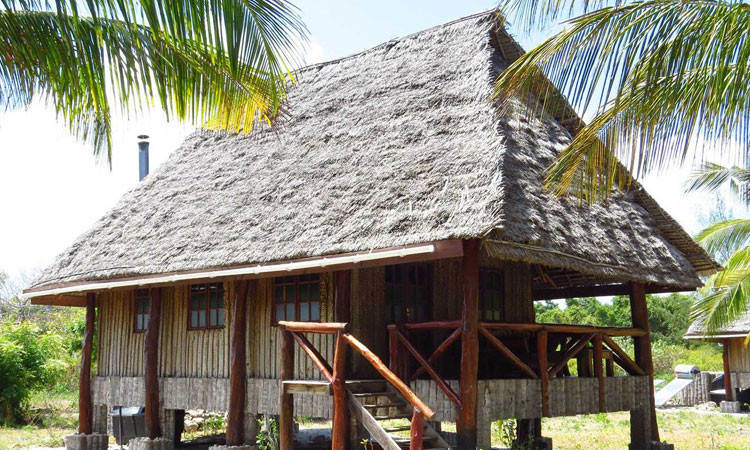
Pemba Lodge is an eco-friendly resort offering bungalows made out of recycled boats and natural local materials.

Fundu Lagoon is a small, private hotel located on a beautiful mangrove fringed beach on the south western shores of Pemba Island, part of the Zanzibar 'Spice ..

Pemba Misali Sunset Beach features a virgin beach with free private parking available on-site. Free WiFi is available in all public areas.

Pemba Sunset Restaurant, Micheweni, Pemba North, Tanzania. 1 like. Local Restaurant Food&Beaverges Swahili Flavor Full or Half board Meals Plan.

Gecko Nature Restaurant ; FEATURES. Reservations, Outdoor Seating, Seating, Parking Available, Serves Alcohol, Wine and Beer, Accepts Credit Cards
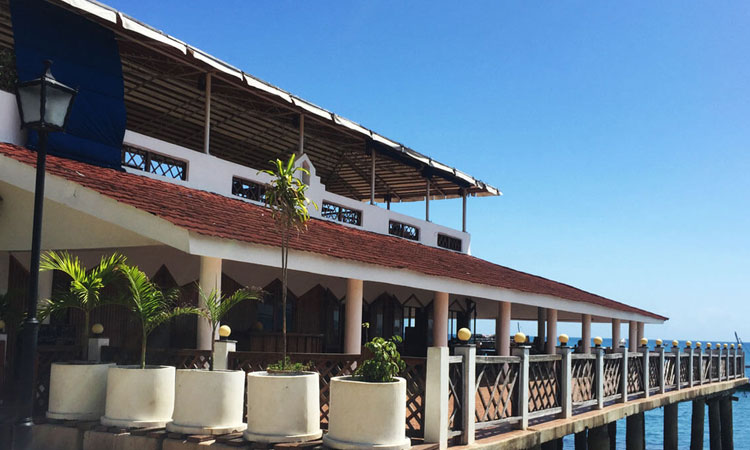
Usumba Rock Restaurant ; CUISINES. African, Seafood, Barbecue, Grill, Healthy, Street Food ; Meals. Lunch, Drinks ; FEATURES. Reservations, Seating, Serves Alcohol ...

Karibu Kitchen is a local, family owned, halal, fast casual restaurant offering a fusion of Indo - African cuisine in Edmonton, Alberta
UPCOMING GROUPS
SMALL CURATED GROUP TRIPS
Looking for travel companions? No problem! Please join our upcoming groups of enthusiastic travelers.
 23rd – 29th June, 2025
 16th – 22nd July 2025
 14th – 23rd Dec 2025
 1st – 7th April 2026
MONTH’S WEATHER IN ZANZIBAR
EXPECT THE BELOW WEATHER IN THESE MONTHS

JANUARY
Tanzania experiences a short dry season, with temperatures ranging from 77°F to 86°F (25°C to 30°C) on average. The weather is generally warm and sunny, making it an ideal time to visit the country's many national parks and wildlife reserves. This is also a calving period in Ndutu, where visitors can witness the incredible sight of wildebeests and zebras giving birth to their young

FEBRUARY
In February, the weather in Tanzania is usually warm and dry, with temperatures ranging from 70 to 90 degrees Fahrenheit. Many people consider this month to be the perfect time to visit the country, as the rainy season has ended and vibrant greenery abounds in the scenery. Additionally, now is an ideal time for Kilimanjaro treks, as the clear skies offer breathtaking views of the surrounding landscapes.

MARCH
During this month, temperatures are typically quite warm, with highs reaching into the 80s and 90s Fahrenheit. By the start of March, the sunny season in Tanzania is coming to a close, making way for the arrival of occasional rain showers as the country enters the wet season. It's a wonderful time to enjoy outdoor activities and soak up the sun at the beach.

APRIL
April marks the start of the long rainy season in Tanzania, as temperatures begin to cool down and the country transitions from the hot and dry season. Now is the perfect time for nature lovers to visit, as the scenery transforms into a vibrant and verdant paradise. It is also the best time for bird-watching trips

MAY
May, like April, is considered part of Tanzania's wet season. May begins with a lot of rain, but becomes drier as June approaches. In May, the Great Migration migrates from the southern Serengeti to the west. The lush green vegetation sometimes make it difficult to spot animals, but they also provide excellent photo opportunity.

JUNE
June in Tanzania is typically the start of the dry season, with clear skies and sunny days. With a temperature between 65°F and 80°F, it is the perfect weather for exploring Tanzania's stunning national parks and wildlife reserves. The last weeks of the month are when the migration of wildebeests and zebras begins in the Serengeti, making it an ideal time to witness this incredible natural phenomenon.

JULY
July is considered to be the peak of the dry season in Tanzania, making it an ideal time for tourists to visit. The weather is typically sunny and warm, with temperatures ranging from 70 to 80 degrees Fahrenheit. Despite the crowds, July is a wonderful time to witness the Great Migration in the Serengeti, where millions of wildebeest and zebra migrate in search of greener pastures.

AUGUST
August is one of the best times for tourists to visit Tanzania, as it falls during the dry season. Expect clear skies and warm temperatures, perfect for exploring the country's stunning national parks and wildlife reserves. It's also a wonderful time to visit Zanzibar.

SEPTEMBER
This season is mild and dry, making it ideal for exploring these destinations' gorgeous landscapes, wildlife, and beaches. Late September is the start of shoulder season, which means fewer crowds and reduced prices, making it a wonderful time to visit to escape peak tourist season.

OCTOBER
The weather is generally warm and sunny, with occasional showers that help to cool things down. This time of year is also ideal for wildlife viewing, as the magnificent migration is still in full swing in the Serengeti and the fewer crowds at the beaches of Zanzibar make for a more relaxing and enjoyable experience.

NOVEMBER
Tanzania begins its brief rainy season in November. Unlike prolonged wet spells, most accommodations remain open. It is also the best season to see birds in some national parks, especially northern migrants, as the environment turns green. River crossings occur as the Great Migration returns from Kenya. Nevertheless, from November to March, Zanzibar and Mafia have whale sharks to spot

DECEMBER
In December, the short rainy season comes to a close, with occasional brief showers that mostly occur at night. This pattern continues until March. Bird enthusiasts will be delighted by the influx of migratory birds this month, particularly in Tarangire National Park. At this time, the southern Serengeti's grasslands are bustling with the Great Migration, creating the perfect opportunity for a Serengeti Safari to witness the animals preparing for the calving season.


WHAT OUR CLINTS SAY
WE PLAN UNIQUELY
YOUR DREAM TRIP IS ONE CLICK AWAY!....
Discover a wide range of destinations in Tanzania through our user-friendly booking platform. Find inspiration for your dream safari, vacation, or trip with a simple click of the link below. Say goodbye to the hassle of planning, and let us assist you in turning your travel dreams into a reality.
Call an Expert +255 717 262 800Our Partners
Our Awesome partners
Lorem ipsum dolor sit amet, consectetur adipiscing elit, sed do eiusmod tempor incididunt ut labore.