TANZANIA DESTINATIONS
NGORONGORO CRATER: YOUR WINDOW INTO THE PAST
Travelers from all over the world are drawn to daring destinations. They are determined to visit the most significant and historic locations on the planet.
The Ngorongoro Conservation Area in Tanzania may be the next safari destination on your itinerary. With its abundant wildlife and stunning scenery, it's hard to miss.
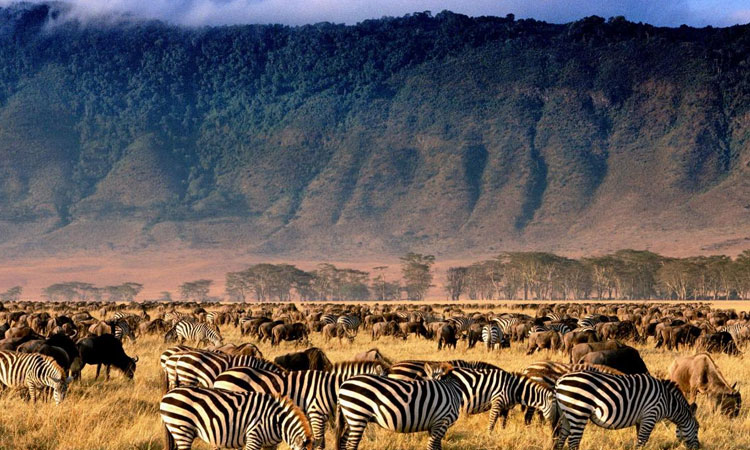
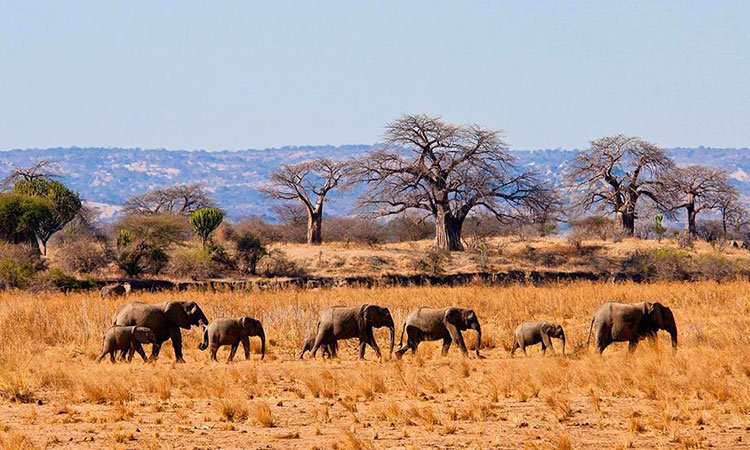
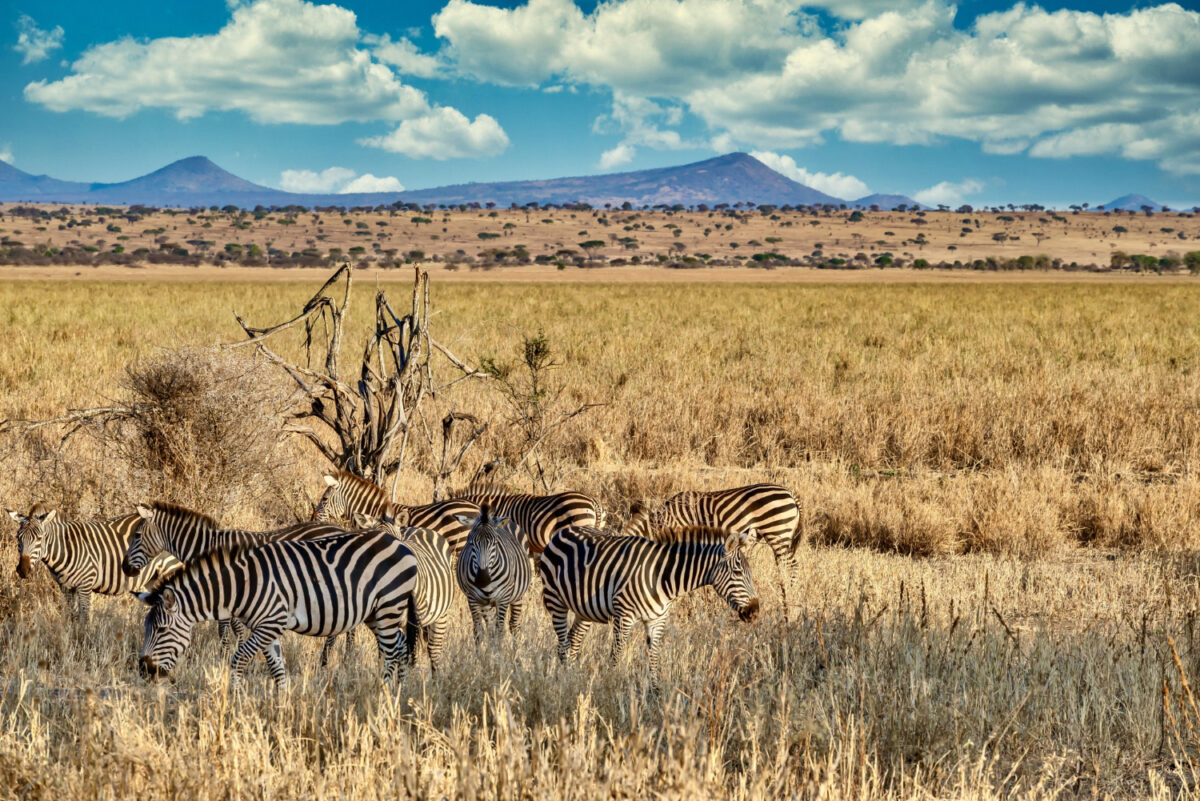
The Ngorongoro Conservation Area has a massive land area of 8,292 square kilometres and is home to a diverse array of wildlife species, such as zebras, elephants, and lions. Furthermore, the region's breathtaking landscapes, such as the Ngorongoro Crater, have earned it recognition as a UNESCO World Heritage Site.
NGORONGORO CRATER
This massive 264-square-kilometre bowl houses 30,000 big animals. The crater's steep walls confine the animals, making it unique. It's one of the best places to watch wildlife, especially the "Big Five." Safaris to Ngorongoro Crater can reveal lions, elephants, zebras, and rare black rhinos.
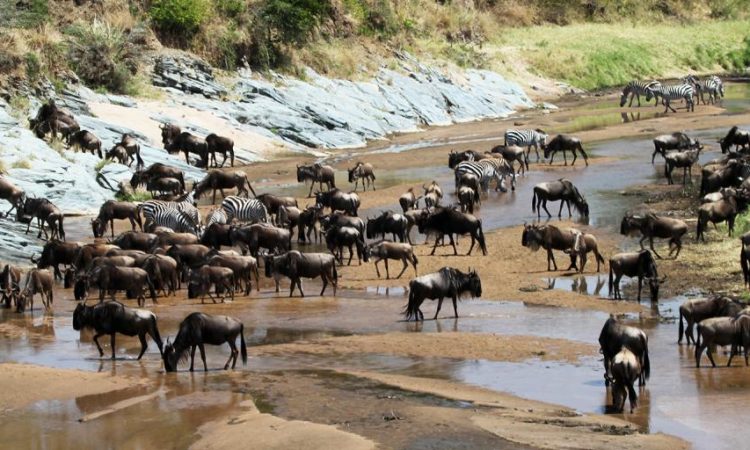
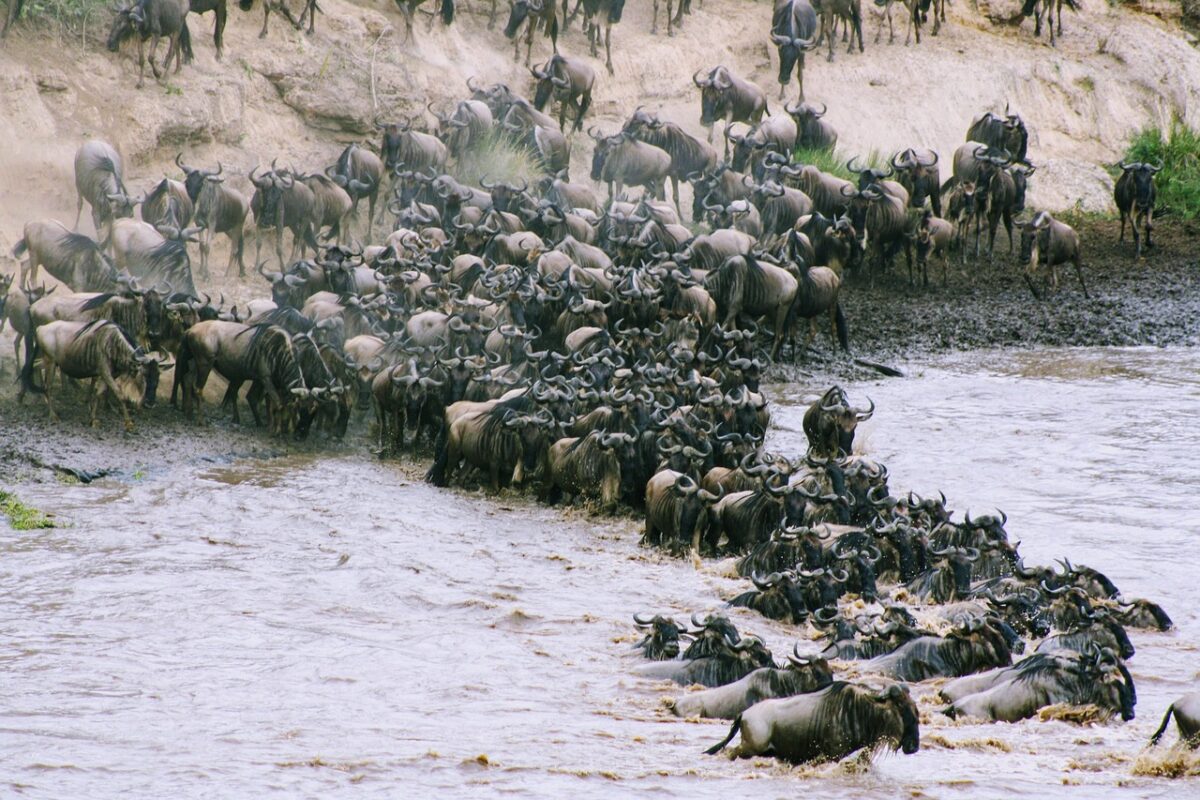
The diverse ecosystem within the crater provides a rich habitat for a variety of species, including wildebeest, buffalo, and hyenas. The lush vegetation and abundance of water sources attract a wide range of animals, creating a spectacular display of wildlife.
Ngorongoro Conservation Area is also of historical significance, as it is home to archaeological sites that provide evidence of early human evolution. Olduvai Gorge, home to fossils of some of the earliest humans, provides visitors with a fascinating glimpse into our ancient past. The combination of wildlife viewing and exploration of human history makes Ngorongoro Crater a truly unique destination for nature enthusiasts and history buffs alike.