
SIGNATURE SAFARI: REACH THE HEIGHT
KILIMANJARO’S ALTITUDE SICKNESS
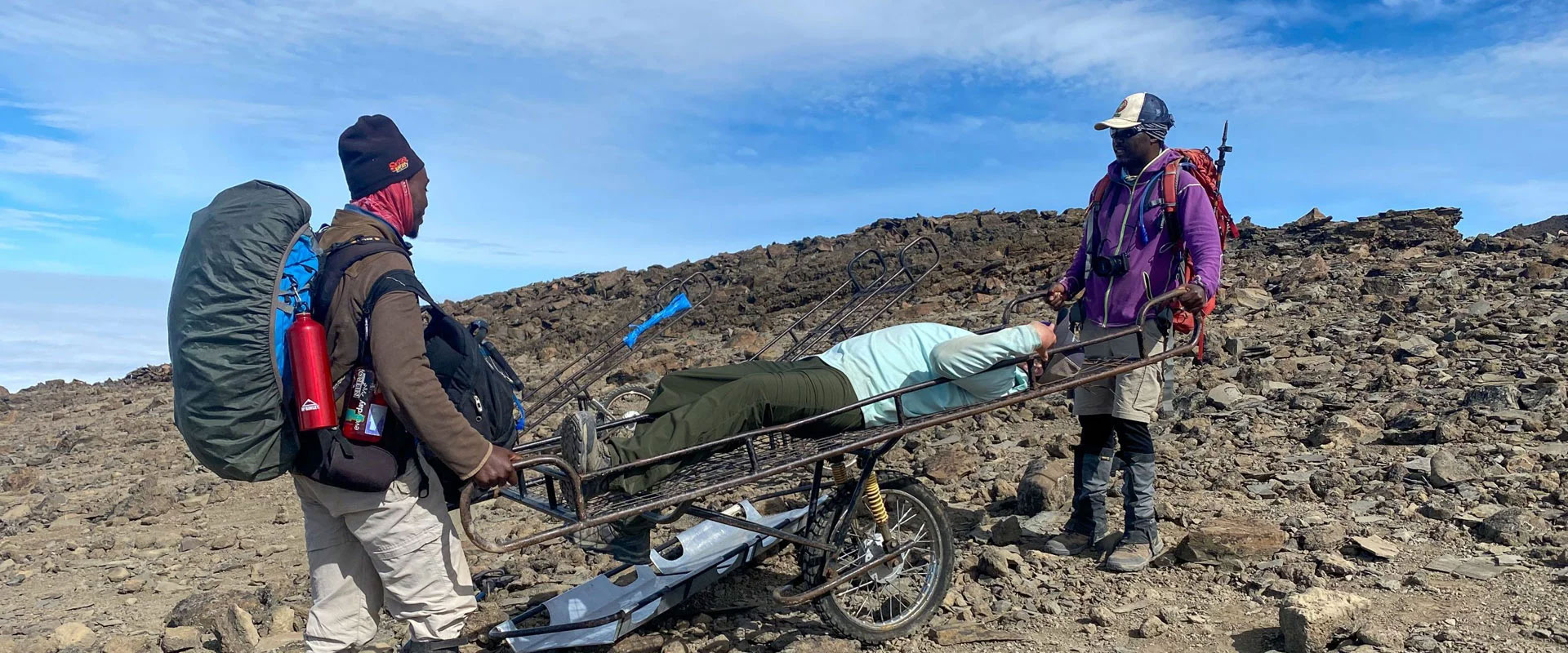
A climb of Mount Kilimanjaro, which rises to 5,895 metres, is a dream for many. While climbing this stunning peak, climbers face Altitude Sickness.
Altitude sickness, commonly known as acute mountain sickness (AMS), can develop when climbing to the high altitudes of Mount Kilimanjaro. Altitude sickness symptoms range from moderate to severe and may include headaches, nausea, exhaustion, and difficulty breathing. Climbing Kilimanjaro requires not just stamina and physical fitness, but also acclimatization to the high altitude.
To avoid significant altitude sickness, climbers must properly acclimatize and listen to their bodies. Climbers should take their time ascending so that their bodies can adjust to the lower oxygen levels. We recommend spending a few days at intermediate altitudes to help with acclimatization before attempting the summit climb. Conquer Kilimanjaro, but first master the altitude
Understanding The Hidden Foe: Altitude Sickness
Altitude sickness on Kilimanjaro does not discriminate; it can impact individuals of all ages and fitness levels. Proper acclimatization and paying attention to one’s body are essential for climbers to effectively prevent and treat altitude sickness. Here are some important points to keep in mind
- Ascending too rapidly to a high elevation is the main factor contributing to altitude sickness. This results in a reduction in the availability of oxygen.
- Common symptoms can include headaches, nausea, trouble sleeping, and feeling short of breath
- There is a common misconception that altitude sickness occurs without warning. The rate at which you ascend and the duration of your acclimatization period are crucial factors in determining whether you will experience altitude sickness while in the mountains.
Understanding and appreciating the hidden obstacles of the mountain is crucial for a positive and fulfilling climb. Being attentive to your body and acknowledging any symptoms that may occur as you ascend is crucial. If you begin to experience discomfort, it is important to take a break and give your body a chance to acclimatize to the altitude. Staying hydrated and refraining from consuming alcohol can also aid in the prevention of altitude sickness.
How Can You Prepare Your Body For Altitude Sickness?
While Kilimanjaro altitude sickness is a potential threat, you can always prepare for it. With the right approach, you can equip your body to handle decreasing oxygen levels and changes in atmospheric pressure.
- Acclimatisation: Before setting foot on Kilimanjaro, spending some time at higher altitudes is beneficial, a process popularly known as Kilimanjaro acclimatisation. This helps your body adjust to the thinner air and lessens the chance of altitude sickness.
- Stay Hydrated: Drink plenty of water, as dehydration can make the symptoms of altitude sickness even more pronounced
- Eat right: Your body’s metabolism changes at high altitudes. Consuming a diet rich in carbohydrates can assist in adapting to the altitude. Carbohydrate-rich foods like pasta, bread, and rice can be beneficial
By adhering to these preventive measures and listening to your body’s signals, you’ll be in a better position to enjoy the journey up the mountain, minimizing risks and maximizing the exhilarating experience.
Let WE CAB TOURS ANDA SAFARIS LTD be your trusted companion on this once-in-a-lifetime journey. Our experienced mountain guides will ensure your safety and well-being throughout your trek, providing you with expert guidance and support. Together, let’s rise to new heights!
KILIMANJARO ALTITUDE SICKNESS
ALL THE INFORMATION YOU NEED
Altitude sickness, also known as acute mountain sickness, can occur when ascending to high altitudes too quickly. Kilimanjaro, standing at a towering 19,341 feet, poses a significant risk for altitude sickness due to its rapid elevation gain and lack of enough acclimatization time. Even though Kilimanjaro is a “walk-up” mountain, climbers should not underestimate the potential risks of altitude.
A variety of symptoms that typically occur at elevations above 9,000 feet include headaches, nausea, dizziness, fatigue, and difficulty sleeping. Some people may also experience shortness of breath, loss of appetite, and swelling in the hands and feet. It is important for climbers to be aware of these symptoms and seek immediate medical attention if they worsen, as severe altitude sickness can be life-threatening
No, the oxygen concentration doesn’t change with altitude in Kilimanjaro. However, as altitude increases, the air pressure decreases, which in turn leads to a decrease in the density of oxygen molecules in the air. This decrease in oxygen concentration can have significant effects on the human body, particularly at high altitudes where the air is thinner
Altitude sickness is often diagnosed based on climbers’ reported symptoms, which include headaches, nausea, dizziness, and exhaustion. In addition, guides and medical personnel on the mountain may use pulse oximeters to evaluate blood oxygen levels and determine the severity of symptoms
Yes, there are several strategies that can help prevent altitude sickness while climbing Mount Kilimanjaro. One important way to acclimatize to the high altitude is to take your time and allow your body to adjust gradually. We recommend opting for a longer route like the Lemosho or Machame routes, as they provide ample time for acclimatization. Additionally, staying well-hydrated, eating a balanced diet, and getting plenty of rest can also help reduce the risk of altitude sickness
List of other travel guides:

Packing List

Travel Guides

Accommodation Facts

Safari Costs

Food Options
Is Tanzania Safe?
WHAT OUR CLINTS SAY
WE PLAN UNIQUELY
YOUR DREAM TRIP IS ONE CLICK AWAY!….
Discover a wide range of destinations in Tanzania through our user-friendly booking platform. Find inspiration for your dream safari, vacation, or trip with a simple click of the link below. Say goodbye to the hassle of planning, and let us assist you in turning your travel dreams into a reality.
Our Partners
Our Awesome partners
Lorem ipsum dolor sit amet, consectetur adipiscing elit, sed do eiusmod tempor incididunt ut labore.