

NORTHERN CIRCUIT ROUTE THE MOST RECENT ROUT TO THE SUMMIT OF KILI
The Northern Circuit Route is the newest and longest of the seven established routes that lead to Kilimanjaro's summit. What sets this route apart is the remarkable acclimatization profile, exceptional summit success rate, amazing views, and a more leisurely pace.
It begins in the west at the Londorossi Gate and follows the same path as the Lemosho Route for the first two days. After crossing the Shira Plateau, the path veers north near Lava Tower, following the longer Northern Circuit instead of the more popular Southern Circuit via Barranco Valley. The Northern Circuit Route is the longest route, a nine-day trek on Kilimanjaro. It circles the main summit in a clockwise direction.
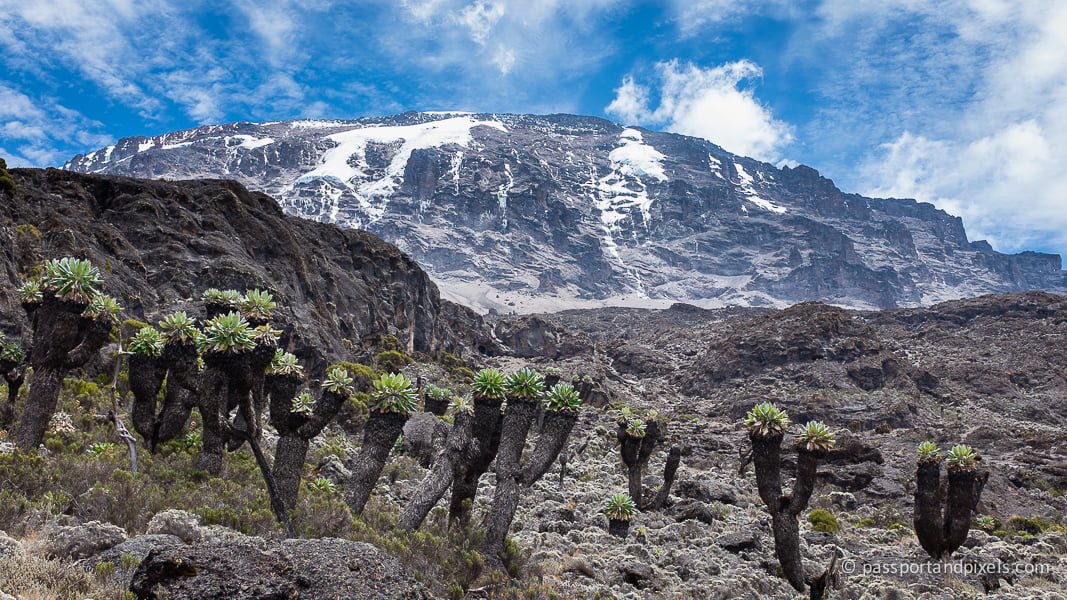
The route winds around the quieter northern slopes on the east side of the mountain. This longer and quieter route allows for a more gradual ascent, giving climbers more time to acclimatize to the high altitude. The Northern Circuit also offers stunning views of the rugged landscape and diverse ecosystems of Kilimanjaro, making it a favorite among experienced hikers seeking a more challenging and rewarding trek. With its higher success rate and less crowded trails, the Northern Circuit is a wonderful choice for those looking for a unique and unforgettable adventure to the summit of Kilimanjaro.
NORTHERN CIRCUIT ROUTE MAP

KILIMANJARO HIGHLIGHTS
Most famous
- Highest free mountain
- Full of biodiversity
- Conquering the peak
When To Climb
- Dry Season December-March & June-October
- Wet Season Late March-May and November
Essential details
- Passport& Valid Visa
- Eligible: 10 – 70 Yrs
- Challenge: Altitude
MOUNT KILIMANJARO
SUMMERY OF THE NORTHERN CIRCUIT ROUTE
Typically, the Northern Circuit Route spans approximately 98 km and takes about 8-10 days to complete. The trail offers a non-crowded, leisurely, and effective acclimatization schedule, making it a popular choice for those seeking a more secluded trekking experience
The Northern Circuit Route provides a wide variety of ecological zones and habitats, such as stark alpine deserts and verdant rainforests.
An extended duration of approximately 8-10 days significantly increases the likelihood of reaching the summit for improved acclimatization during the Northern Circuit Route climb. Ultimately, it implies that there are substantial success rates.
The route is less congested than other routes, which results in a more tranquil and serene Kilimanjaro Climbing experience
It also offers a more extensive opportunity to observe the breathtaking wildlife that inhabits the region, including elephants, buffalo, and a diverse array of avian species.
The Northern Circuit Route stands out because of its excellent acclimatization profile, stunning views, and low crowd levels. This lesser-known route offers a more peaceful and tranquil trekking experience compared to the busier Machame or Lemosho routes
Indeed, it is. Its outstanding acclimatization makes it a perfect option for various trekkers, whether they are just starting out or are seasoned climbers.
The Machame route provides ideal opportunities to "climb high, sleep low," aiding in better acclimatization. The seven-day option offers superior acclimatization profiles. This longer itinerary allows climbers to gradually ascend to higher altitudes, giving their bodies more time to adjust to the decrease in oxygen levels.
The most significant benefit of the Northern Circuit Route is its high rate of acclimatization. Trekkers have a significant amount of time to adjust their bodies to the high altitudes
There will be minimal crowds, and you will have a 360-degree view of the scenic grandeur of the location
The Northern Circuit Route's extended duration also results in a higher cost for the expedition. However, when considering the value you are receiving in return, it is evident that it is entirely worthwhile.
During the rainy season, the forest segment of the Northern Circuit may become muddy.
It is typically lengthier than other Kilimanjaro routes.
Additionally, the Northern Circuit Route is more costly than its counterparts.
Trekkers who are en route to the Northern Circuit Route are likely to experience fatigue..
The route provides a distinctive view of Kilimanjaro's northern slope, seldom explored by other hikers, along with outstanding acclimatization opportunities.
Quick FAQs about the Northern Circuit Route
- Distance of the route: 98 km
- Challenge Rating: Moderate
- Duration: 9 days
- Success Rates: Highest
- Crowds: Minimal
- Accommodation: Camping
NORTHERN CIRCUIT ROUTE PACKAGES
UPCOMING GROUPS
JOIN OUR UPCOMING GROUPS OF TREKKERS
Are you seeking fellow adventurers to accompany you on a Kilimanjaro trek? Your search ends here! Here is a schedule for the upcoming Kilimanjaro treks available for you to join. Select from an array of dates and routes that align with your preferences and schedule.
 Dec 31st – 09th Jan, 2025
8 Days Lemosho Route
 Jan 2nd – Jan 10th 2025
7 Days Machame Route
 Jan 6th – Jan 16th 2025
9 Days Northern Circuit Route
 Jan 15th – Jan 24th2026
8 Days Lemosho Route
 Jan 31st – Feb 5th 2025
6 Days Marangu Route
 Feb 5th – Feb 14th 2025
8 Days Lemosho Route
 Feb 15th – Feb 25th 2025
9 Days Northern Circuit Route
 Feb 21st – Mar1st2025
7 Days Machame Route
EXPECT THE BELOW WEATHER IN THESE MONTHS

JANUARY
Tanzania experiences a short dry season, with temperatures ranging from 77°F to 86°F (25°C to 30°C) on average. The weather is generally warm and sunny, making it an ideal time to visit the country's many national parks and wildlife reserves. This is also a calving period in Ndutu, where visitors can witness the incredible sight of wildebeests and zebras giving birth to their young

FEBRUARY
In February, the weather in Tanzania is usually warm and dry, with temperatures ranging from 70 to 90 degrees Fahrenheit. Many people consider this month to be the perfect time to visit the country, as the rainy season has ended and vibrant greenery abounds in the scenery. Additionally, now is an ideal time for Kilimanjaro treks, as the clear skies offer breathtaking views of the surrounding landscapes.

MARCH
During this month, temperatures are typically quite warm, with highs reaching into the 80s and 90s Fahrenheit. By the start of March, the sunny season in Tanzania is coming to a close, making way for the arrival of occasional rain showers as the country enters the wet season. It's a wonderful time to enjoy outdoor activities and soak up the sun at the beach.

APRIL
April marks the start of the long rainy season in Tanzania, as temperatures begin to cool down and the country transitions from the hot and dry season. Now is the perfect time for nature lovers to visit, as the scenery transforms into a vibrant and verdant paradise. It is also the best time for bird-watching trips

MAY
May, like April, is considered part of Tanzania's wet season. May begins with a lot of rain, but becomes drier as June approaches. In May, the Great Migration migrates from the southern Serengeti to the west. The lush green vegetation sometimes make it difficult to spot animals, but they also provide excellent photo opportunity.

JUNE
June in Tanzania is typically the start of the dry season, with clear skies and sunny days. With a temperature between 65°F and 80°F, it is the perfect weather for exploring Tanzania's stunning national parks and wildlife reserves. The last weeks of the month are when the migration of wildebeests and zebras begins in the Serengeti, making it an ideal time to witness this incredible natural phenomenon.

JULY
July is considered to be the peak of the dry season in Tanzania, making it an ideal time for tourists to visit. The weather is typically sunny and warm, with temperatures ranging from 70 to 80 degrees Fahrenheit. Despite the crowds, July is a wonderful time to witness the Great Migration in the Serengeti, where millions of wildebeest and zebra migrate in search of greener pastures.

AUGUST
August is one of the best times for tourists to visit Tanzania, as it falls during the dry season. Expect clear skies and warm temperatures, perfect for exploring the country's stunning national parks and wildlife reserves. It's also a wonderful time to visit Zanzibar.

SEPTEMBER
This season is mild and dry, making it ideal for exploring these destinations' gorgeous landscapes, wildlife, and beaches. Late September is the start of shoulder season, which means fewer crowds and reduced prices, making it a wonderful time to visit to escape peak tourist season.

OCTOBER
The weather is generally warm and sunny, with occasional showers that help to cool things down. This time of year is also ideal for wildlife viewing, as the magnificent migration is still in full swing in the Serengeti and the fewer crowds at the beaches of Zanzibar make for a more relaxing and enjoyable experience.

NOVEMBER
Tanzania begins its brief rainy season in November. Unlike prolonged wet spells, most accommodations remain open. It is also the best season to see birds in some national parks, especially northern migrants, as the environment turns green. River crossings occur as the Great Migration returns from Kenya. Nevertheless, from November to March, Zanzibar and Mafia have whale sharks to spot

DECEMBER
In December, the short rainy season comes to a close, with occasional brief showers that mostly occur at night. This pattern continues until March. Bird enthusiasts will be delighted by the influx of migratory birds this month, particularly in Tarangire National Park. At this time, the southern Serengeti's grasslands are bustling with the Great Migration, creating the perfect opportunity for a Serengeti Safari to witness the animals preparing for the calving season.
TIPS ABOUT KILIMANJARO

KILIMANJARO ALTITUDE SICKNESS

KILIMANJARO CLIMB COST

KILIMANJARO VISA

KILIMANJARO RESCUE EFFORTS

BEST TIME TO CLIMB KILIMANJARO

KILIMANJARO CLIMBING EQUIPMENT
WHAT OUR CLINTS SAY
WE PLAN UNIQUELY
YOUR DREAM TRIP IS ONE CLICK AWAY!....
Discover a wide range of destinations in Tanzania through our user-friendly booking platform. Find inspiration for your dream safari, vacation, or trip with a simple click of the link below. Say goodbye to the hassle of planning, and let us assist you in turning your travel dreams into a reality.
Call an Expert +255 717 262 800Our Partners
Our Awesome partners
Lorem ipsum dolor sit amet, consectetur adipiscing elit, sed do eiusmod tempor incididunt ut labore.